
What is a Dispensing Audiologist? (Our Dispensing Audiologists)
"Audiology is the science of hearing, balance, and related disorders. Audiologists are healthcare professionals who provide patient-centered care in the prevention, identification, diagnosis, and evidence-based treatment of hearing, balance, and other auditory disorders for people of all ages. Hearing and balance disorders are complex with medical, psychological, physical, social, educational, and employment implications. Audiologists provide professional and personalized services to minimize the negative impact of these disorders, leading to improved outcomes and quality of life." ASHA (American Speech and Hearing Associated).
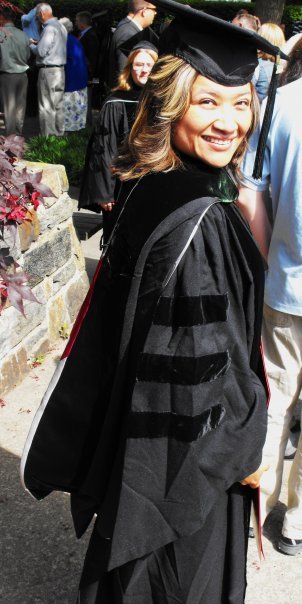
The current minimum requirement in the State of California to practice audiology is a Doctorate Degree in Audiology (a total of 8 years of University Education). The graduate program will also include clinical practice, which will provide the candidate with valuable experience and training in the field. This experience is obtained under the supervision of an experienced dispensing audiologist or Audiologists. The degree granted is an Au.D. A Doctorate in Audiology.
In addition to the classroom training/instruction and labs, Audiologists must also complete two supervised internships (Adults and Pediatrics)at the University. Two supervised externships (Adults and Pediatrics) are then followed up with a supervised clinical year. All Audiologists must pass a practical state exam in Audiology and then a state written and practical exam in Hearing Aid dispensing. Prior to dispensing in the field of audiology, the candidate must possess vast experience in dispensing. Audiologists must complete supervised hours to obtain the Clinical Certification in Audiology granted by the American Speech and Hearing Association. Some Audiologists take additional course work and exams to obtain Board Certification granted by the American Board of Audiology.
Audiologist course work includes Electronics, auditory and vestibular pathologies, medical and surgical treatment of hearing, hearing aids, assistive listening devices, impression-taking techniques, the acoustics of sound, physics, ear disorders, genetics, pharmacology, radiology, forensic audiology, communication disorders, and syndromes. We understand the acoustics of sound, anatomy, and physiology of the ear and throat, vestibular system (balance disorders and pathologies), Neuroanatomy, pediatric and geriatric audiology. Our course work includes phonetics, speech disorders. In grad school, Audiologists plan speech therapy sessions for those patients who suffer from speech delay or have problems with speech, autistic children/adults, or those who have special needs. We work closely with Medical doctors and especially with an ear nose and throat specialist. We work closely with teachers, speech pathologists, school counselors, psychologists, teachers of the deaf, special aid teachers, Universities to at times contribute to new testing methods, collection of data, as well as any research related to finding the cure for hearing loss.
Assessment:
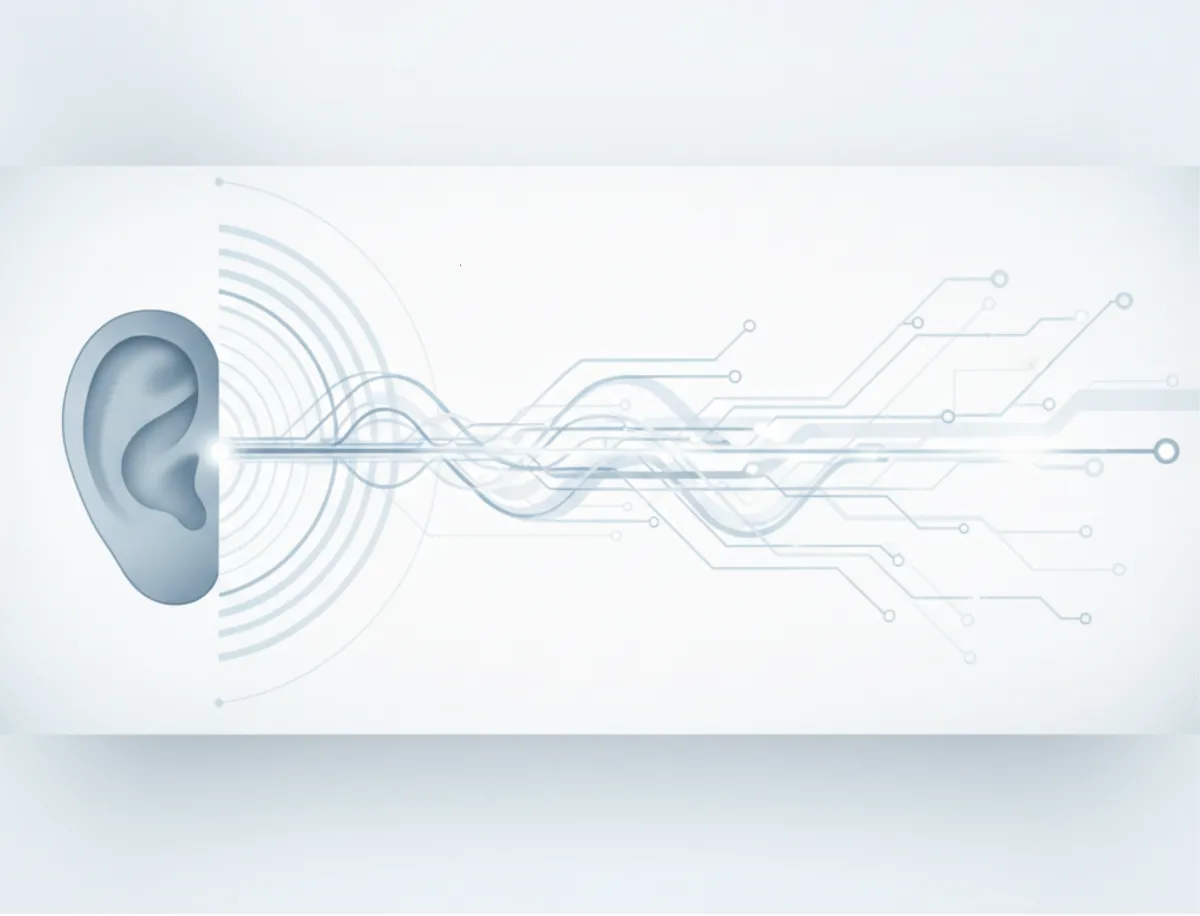
Identify, assess, diagnose, manage, and interpret test results related to disorders of human hearing, balance, and other neural systems, Conduct and interpret behavioral, electroacoustic, or electrophysiologic methods used to asses hearing, balance, and neural system function. Supervise and conduct newborn hearing screening programs. Measure and interpret sensory and motor-evoked potentials; use and interpret results of electromyography, and other electrodiagnostic tests for purposes of neurophysiologic intraoperative monitoring and cranial nerve assessment. Assess the candidacy of persons with hearing loss for cochlear implants and provide fitting, programming, and audiologic rehabilitation to optimize device use. Screen speech-language, the use of sign language, and other factors affecting communication function for the purposes of audiological evaluation and/or initial identification of individuals with other communication disorders Evaluate and manage children and adults with a central auditory processing disorder.
Treatment:
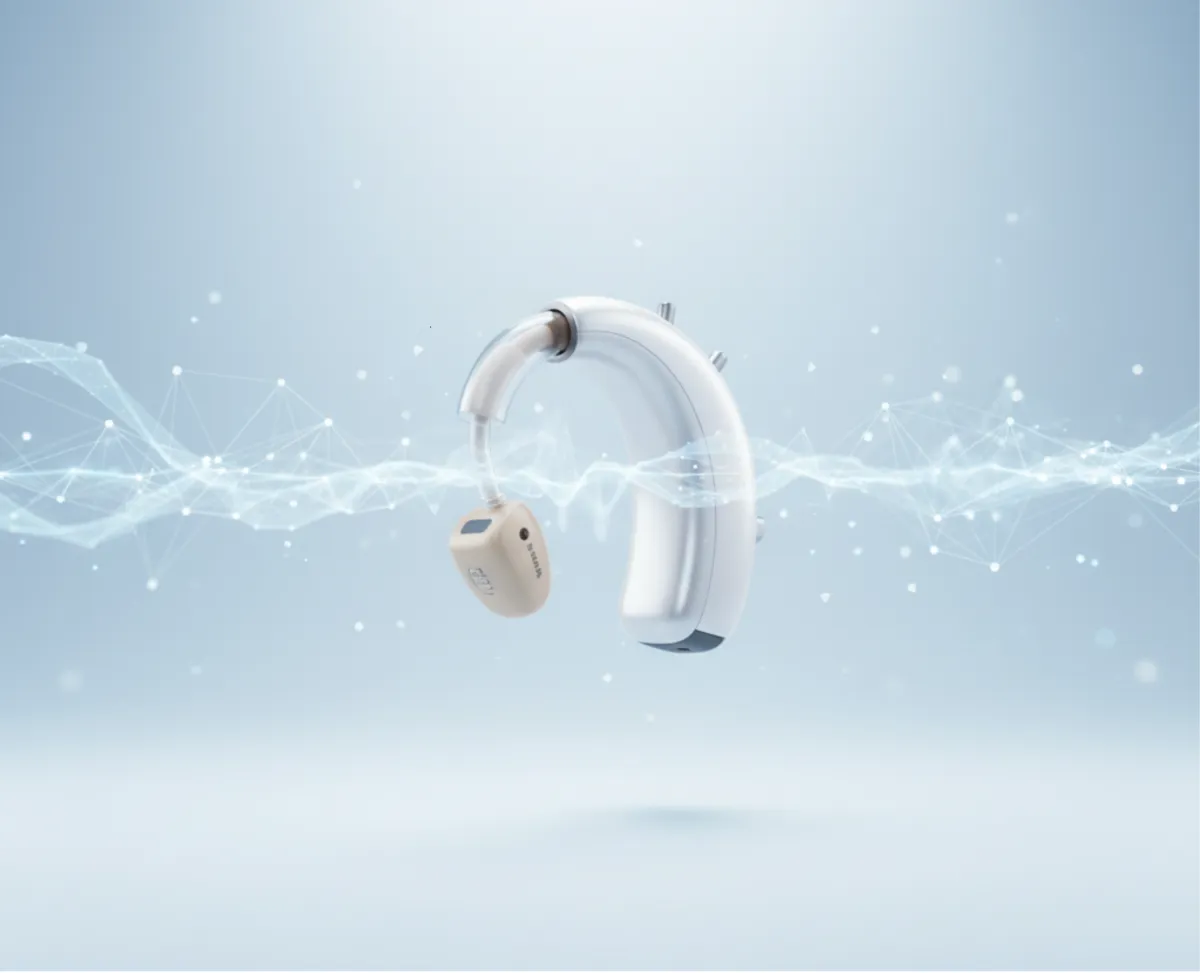
Perform otoscopic examination and external ear canal management for the removal of cerumen in order to evaluate hearing or balance, make ear impressions, fit hearing protection or prosthetic devices, and monitor the continuous use of hearing aids, Provide hearing care by (a) selecting, evaluating, fitting, facilitating adjustment to, and dispensing prosthetic devices and hearing aids and (b) recommending sensory aids, hearing assistive devices, alerting and telecommunication systems, and captioning device, Provide audiologic rehabilitation—including speech reading, communication management, language development, and auditory skill development—and counseling for psychosocial adjustment to hearing loss for persons with hearing loss and their families/caregivers. Perform assessment and nonmedical management of tinnitus using biofeedback, masking, hearing aids, education, and counseling.
Consultation:
As members of interdisciplinary teams, consult with educators regarding communication management, educational implications of hearing loss, educational programming, classroom acoustics, and large-area amplification systems for children with hearing loss, Consult regarding, and provide rehabilitation to, persons with balance disorders using habituation, exercise therapy, and balance retraining, Consult about accessibility for persons with hearing loss in public and private buildings, programs, and services, Act as a consultant to individuals, public and private agencies, and governmental bodies regarding the effects of hearing loss and balance system disorders, as well as relevant noise-related considerations; act as an expert witness regarding legal interpretations of audiologic findings, Provide case management and serve as a liaison for consumers/clients and their families and agencies in order to monitor audiologic status and management and to make recommendations regarding educational and vocational programming, Consult to industry on the development of products and instrumentation related to the measurement and management of the auditory or balance function, Participate in the development of professional and technical standards.

Education:
Prevent hearing loss and conserve hearing function by designing, implementing, and coordinating occupational, school, and community hearing conservation and identification programs, Design and conduct basic and applied audiologic research to increase the knowledge base, develop new methods and programs, and determine the efficacy of assessment and treatment paradigms; disseminate research findings to other professionals and the public, Teach in and administer audiology graduate and professional education programs, Measure functional outcomes, consumer satisfaction, effectiveness, efficiency, and the cost-benefit of practices and programs in order to maintain and improve the quality of audiology services, Supervise professional and technical personnel who provide support functions to the practice of audiology. (ASHA, American Speech-Language-Hearing Association).
The ability to dispense hearing aids is a critical distinction when helping patients understand how best to obtain a hearing aid device. At Doctors of Hearing, we are specialized in dispensing appropriate hearing aid devices and we focus on the patient's needs instead of just selling patients expensive hearing aid products. A battery of tests must be completed during the process of fitting these devices and counseling is provided to patients and patients' family.
Audiologists/Hearing Doctors must remain current on changes in the industry. The two areas of focus are hearing aid development and improvements, prevention of hearing loss, and hopefully one day the cure for hearing loss. When cochlear implants were first introduced by Dr. House in the 70's. The development of the cochlear implant allowed for huge advances for certain patients suffering from hearing loss as a result Audiologist are constantly attending optional seminars and state-required seminars. Dispensing audiologists are required to complete at least 50% of continuing education hours in topics directly related to hearing aid dispensing. Dual licensees shall complete 16 hours in each discipline for a total of 32 hours per license renewal period. Audiologists are always prepared when someone is searching for the latest information, current technology available.
At Doctors of Hearing Inc. We believe that education and experience along with great service can make a big difference in someone's life when it comes to hearing better because we are the professional who's focus on hearing needs.
Pasadena Office
Rancho Cucamonga
San Dimas Office
Our Purpose
Doctors of Hearing, Inc. is dedicated to improving the quality life of the hearing impaired community. Doctors of Hearing, Inc. is your trusted source for the information needed to make informed decisions on hearing aid purchases. Doctors of Hearing, Inc provides expert testing and proper fitting of hearing aids at a reasonable price.
Company Details
Dr. Norma Camacho Au.D CCC/A; ABA Licensed dispensing Doctor of Audiology American Boatd of Audiology Certified and ASHA Certificate of Clinical Competence (National recognition) Member of Academy Doctors of Audiology.
Phone numbers:
626 639-3182 Pasadena Office
909 481-2834 Rancho Cucamonga Office
626 250-6642 San Dimas
About Us
Legal